Free Indo-Pacific is essential says Joe Biden in meeting with India, Japan and Australia leaders

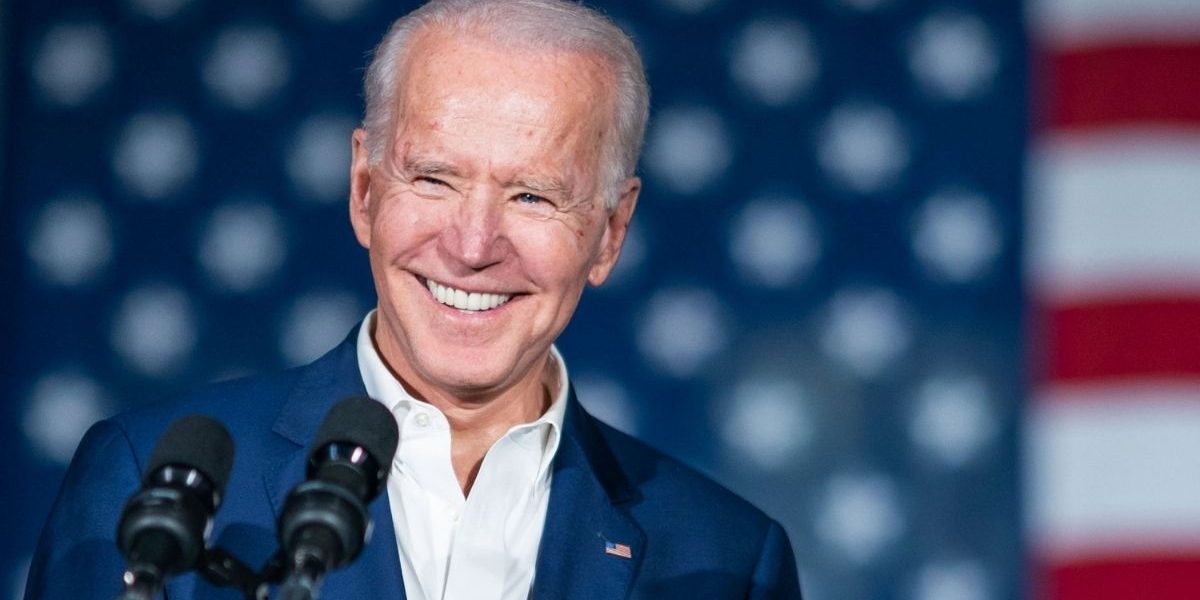
WASHINGTON – U.S. President Joe Biden met leaders of Australia, India, and Japan on Friday, a group important to his efforts to counter China’s growing military and economic power, and said a free and open Indo-Pacific region was essential to all of their futures.
The White House says the virtual meeting of the countries known as the Quad, shows how much importance Biden as a leader places on the Indo-Pacific region and that it will focus on ways to fight the coronavirus pandemic, as well as cooperate on economic growth and the climate crisis.
“A free and open Indo Pacific is essential to each of our futures,” Biden told the meeting from the White House. “The United States is committed to working with you, our partners, and all our allies in the region, to achieve stability.” Japanese Prime Minister Yoshihide Suga said he wanted the four “to forge strongly ahead toward the realization of a free and open Indo-Pacific, and to make a visible contribution to peace, stability, and prosperity of the region, including overcoming the coronavirus.”
India and Australia have also emphasized how regional security cooperation is important.
Reporters were informed ahead of the meeting that it would involve “an honest, open discussion about China’s role on the global stage,” referencing “challenges in the region” to free and open trade and commerce by a senior U.S. official.
The Biden administration informed that the Quad nations will announce financing agreements to support a boost in manufacturing capacity for coronavirus vaccines in India, something New Delhi has called for to counter China’s widening vaccine diplomacy.
U.S. officials also said that the countries will set up a group of experts to help distribute vaccines in the region, working groups for cooperation on climate change, technology standards, and joint development of emerging technologies.
The United States aims to strengthen ties with allies and partners as China adopts an increasingly aggressive foreign policy in Asia and beyond. Beijing is competing for influence in Southeast Asia, the additional vaccine capacity will be used in immunization efforts in the region, says Washington.
The administration informed that the virtual meeting including Australian Prime Minister Scott Morrison and Indian Prime Minister Narendra Modi will aim to lay the foundation for an in-person meeting later this year.